Designing Trust: Website Essentials for Nonprofit Impact
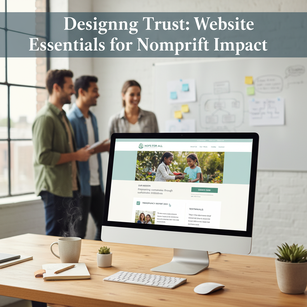
A nonprofit’s website is more than a digital brochure; it’s the primary space where mission meets action, trust is built, and community relationships deepen. Visitors arrive with different intents—potential donors, volunteers, partners, media, or beneficiaries—and they need to understand quickly why your organization exists and how to get involved. A clear, prominently stated mission on the homepage not only orients newcomers but also frames every subsequent interaction. When the mission is concise, specific, and repeated with purpose across pages, it creates coherence that eases decision-making and encourages commitment. First impressions matter: clean layouts, readable typography, and a simple navigation bar set a professional tone that signals credibility. Pair that with an easy-to-find “About” section and impact highlights—short statistics or a compelling infographic—and you transform curiosity into confidence, a crucial precursor to meaningful engagement and support.
Design should be driven by users, not internal silos. A user-centric responsive design ensures that the site functions elegantly on phones, tablets, and desktops; mobile-first considerations are essential because many donors and volunteers discover organizations via social shares or search on smartphones. Fast load times, clear information architecture, and intuitive navigation reduce friction and prevent drop-offs. Accessibility cannot be an afterthought: use proper heading structure, descriptive alt text for images, sufficient color contrast, and options for larger text or keyboard navigation to make content usable by people with disabilities. Content must be written in plain language, prioritizing what visitors need to know and leading them toward action with clear signposts. Incorporating user testing—observing real visitors complete key tasks like finding volunteer info or making a donation—reveals pain points that analytics alone might not capture and should inform iterative improvements.
Compelling visuals and storytelling harness emotion and make abstract impact tangible. High-quality photography of programs, beneficiaries, and volunteers demonstrates authenticity; short videos and micro-interactions can vividly communicate outcomes while keeping visitors engaged. However, visual appeal must be balanced with performance and accessibility—images should be optimized, captions provided, and descriptive alt text included so search engines and assistive technologies can interpret them. Strong, strategic calls to action (CTAs) are the bridge between inspiration and involvement: clear buttons like “Donate Now,” “Sign Up to Volunteer,” or “See Our Impact” should appear above the fold, at the end of compelling stories, and within navigation. Use action-oriented language, contrastive colors for CTAs, and succinct supporting text that explains what will happen when someone clicks. Multiple CTAs tuned to different audiences (one-time donor, monthly donor, corporate partner, volunteer) help users choose a path that matches their capacity and interest without overwhelming them.
Trust hinges on transparency and ease. Financial transparency—readily available annual reports, audited financial statements, and concise explanations of how funds are used—signals stewardship and builds donor confidence. Make donations straightforward: a secure, fast payment flow optimized for mobile with options for one-time and recurring gifts, suggested gift levels, and the ability to cover processing fees increases conversions. Provide clear tax receipt processes and privacy policies explaining how donor data is used and protected. Volunteer information should be equally accessible: outline roles, time commitments, required skills, and easy next steps for registration or contact. Integrate social proof such as testimonials, impact stories, and third-party endorsements to reinforce credibility. Social media integration—share buttons, embedded feeds, and easy ways to amplify campaigns—extends reach, while newsletter signups and targeted landing pages allow you to cultivate relationships over time. Ensure that every external platform and embedded widget adheres to your accessibility and privacy standards.
A high-performing nonprofit site is never static. Regular updates—fresh content, impact reports, event calendars, and blog posts—signal momentum and keep audiences returning. Maintain a content calendar aligned with fundraising cycles, awareness days, and program milestones to ensure consistent outreach. Use analytics and A/B testing to understand what drives donations, signups, and time on site; set measurable goals (conversion rate, average donation size, volunteer inquiries) and iterate based on data. SEO basics—descriptive meta titles, schema for events and donations, and keyword-rich headings—help new supporters find you organically. Governance matters too: designate owners for site content, security patches, and backups to prevent lapses that hurt credibility. Finally, cultivate a culture of transparency and responsiveness online: promptly acknowledge donations and volunteer inquiries, publish impact updates, and solicit feedback. By combining clear mission communication, user-centric responsive design, compelling visuals and CTAs, transparent finances and frictionless giving, accessibility, social integration, and ongoing optimization, nonprofits can increase engagement, build trust, and magnify their impact in measurable ways.