Centralizing Impact: How a Dynamics 365 Template Empowers Nonprofits
Nonprofit organizations face a unique combination of mission-driven priorities and operational constraints. They must cultivate donor relationships, coordinate volunteers, manage restricted funds, and demonstrate measurable impact to stakeholders — all while operating with limited staff and tight budgets. A Dynamics 365-based solution template designed for nonprofits addresses these pressures by offering a pre-built framework to centralize data, automate processes, and surface insights that drive better fundraising and program decisions. Rather than forcing organizations to build complex systems from scratch, the template provides a thoughtful starting point: a unified data model that captures donor and volunteer profiles, interactions, gift histories, and program participation; out-of-the-box workflows for common finance and fundraising tasks; and configurable dashboards that make performance visible to leaders and frontline staff. By leveraging familiar Dynamics 365 capabilities, charities can shorten deployment timelines, reduce customization risk, and prioritize adoption over technical reinvention — all essential when resources must be applied directly to mission activities instead of prolonged IT projects.
At the heart of the template is centralized donor and volunteer data. Many nonprofits still rely on spreadsheets, disparate databases, and siloed tools that fragment a constituent’s story across systems. The Dynamics 365 approach consolidates these touchpoints into a single source of truth that links households, giving histories, communication preferences, event attendance, and volunteer hours. This unified view supports smarter segmentation and stewardship: development officers can identify lapsed major donors, volunteer coordinators can track certifications and availability, and program managers can cross-reference service recipients with funding sources. Importantly, the template is designed with the nonprofit data model in mind — entities for gifts, pledges, campaigns, programs, grants, and case notes — so organizations benefit from best-practice structures without starting from an empty schema. Data governance features such as role-based security, audit trails, and duplicate detection help maintain data integrity while ensuring privacy and compliance with regulations like GDPR and donor restrictions on fund usage.
Automation is another cornerstone that transforms how nonprofits handle finance and fundraising tasks. Routine processes — from gift entry and allocation to pledge reminders and receipting — can consume substantial staff time and are prone to errors when handled manually. The Dynamics 365 template introduces automated workflows and business rules that streamline these functions: gifts can be automatically matched to campaigns and segments, pledge schedules can trigger reminders and fulfillment tracking, and donation acknowledgements can be personalized and dispatched at scale via email or physical mail integrations. On the finance side, integration points with accounting systems support automated journal creation, fund accounting rules, and restricted fund tracking so that donations are allocated correctly and reporting is simplified. Automation reduces transactional overhead, increases accuracy in donor stewardship, and frees development and finance staff to focus on strategy, relationship-building, and compliance rather than repetitive data entry.
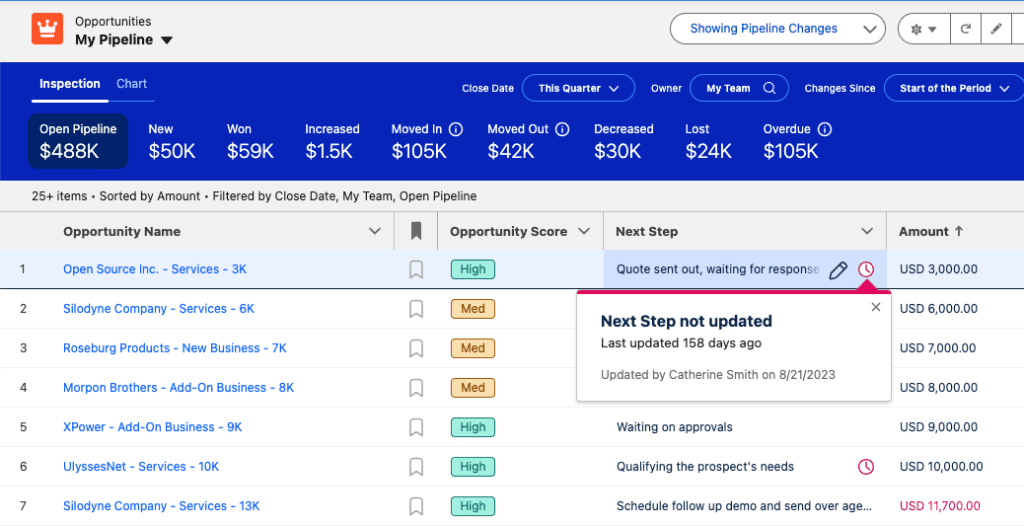
Visualizing impact and operational performance is essential for nonprofits to communicate effectiveness to boards, funders, and the community. The solution template leverages Dynamics 365 dashboards and Power BI integration to deliver real-time snapshots of fundraising performance, donor retention, campaign ROI, volunteer engagement, and program outcomes. Custom dashboards can be tailored for different roles: executive leadership sees high-level KPIs and trend analyses; fundraisers access pipeline views and major donor activity; volunteer managers get capacity and scheduling visualizations; and finance teams receive reconciliation and grant burn-rate metrics. These visualizations are interactive, enabling drill-downs from summary numbers into constituent records and activity histories. Mobile-optimized interfaces ensure staff and volunteers can access critical data on tablets and phones while in the field or at events, enabling on-the-spot updates, check-ins, and donor conversations that feel personal. The combination of accessible analytics and a 360-degree constituent profile empowers nonprofits to make data-driven decisions that enhance program delivery and fundraising effectiveness.
Successful adoption of a Dynamics 365 nonprofit template depends as much on organizational change management as on technology. Even with a purpose-built template, nonprofits should plan for stakeholder engagement, configuration to reflect unique business rules, staff training, and phased rollouts to minimize disruption. Start by mapping current processes and defining desired outcomes — which data elements must be retained, which workflows require automation, and what reporting needs are top priority. Pilot the template with a single program or team, gather feedback, and iterate on forms, views, and automated processes before scaling across the organization. Prioritizing integrations with existing systems — finance software, email marketing, event platforms, and background-check providers for volunteers — helps preserve continuity and reduces duplicate entry. Finally, measure ROI not only in cost savings but in mission metrics: improved donor retention rates, increased volunteer engagement, faster gift processing, and clearer grant reporting are tangible indicators that the system is delivering value.
In sum, a Dynamics 365 solution template tailored for nonprofits offers a pragmatic path to modernize operations while keeping mission impact front and center. By centralizing donor and volunteer data, automating finance and fundraising workflows, and providing role-based dashboards accessible across devices, organizations can boost efficiency, improve donor experiences, and sharpen their ability to demonstrate outcomes. The template accelerates time-to-value by embedding nonprofit best practices into a configurable platform, reducing the burden of custom development and enabling organizations to focus on strategy and growth. With careful planning, stakeholder involvement, and iterative adoption, nonprofits can leverage this blueprint to transform fragmented processes into an integrated system that supports sustainable fundraising and delivers greater impact to the communities they serve.